
Article
How much solar energy can be generated and what are the typical savings on an electricity bill?
February 7, 2024
The solar panels on your roof only generate power when there is sunlight. The greatest output happens during the sunniest part of the day and produces more energy in summer than in winter. In Canberra to maximise the amount of energy your panels generate each year, panels should be installed north-facing and tilted at 30 degrees to the horizon – most homes in Canberra have a typical 30-degree roof pitch.
Here is an overview of how much annual generation you can expect to get based on different panel orientations and tilt (expressed as a percentage of the maximum possible).
| Direction | 0° (Flat) | 10° | 20° | 30° | 40° | 50° | 60° (Steep) |
| W (270°) | 87% | 87% | 86% | 83% | 79% | 75% | 70% |
| NW (315°) | 87% | 93% | 96% | 97% | 95% | 92% | 87% |
| N (0°) | 87% | 94% | 98% | 100% (Optimum) | 99% | 96% | 91% |
| NE (45°) | 87% | 92% | 95% | 95% | 94% | 91% | 86% |
| E (90°) | 87% | 88% | 86% | 84% | 80% | 76% | 71% |
Tilt relative to horizon
share this
Related Articles
Related Articles
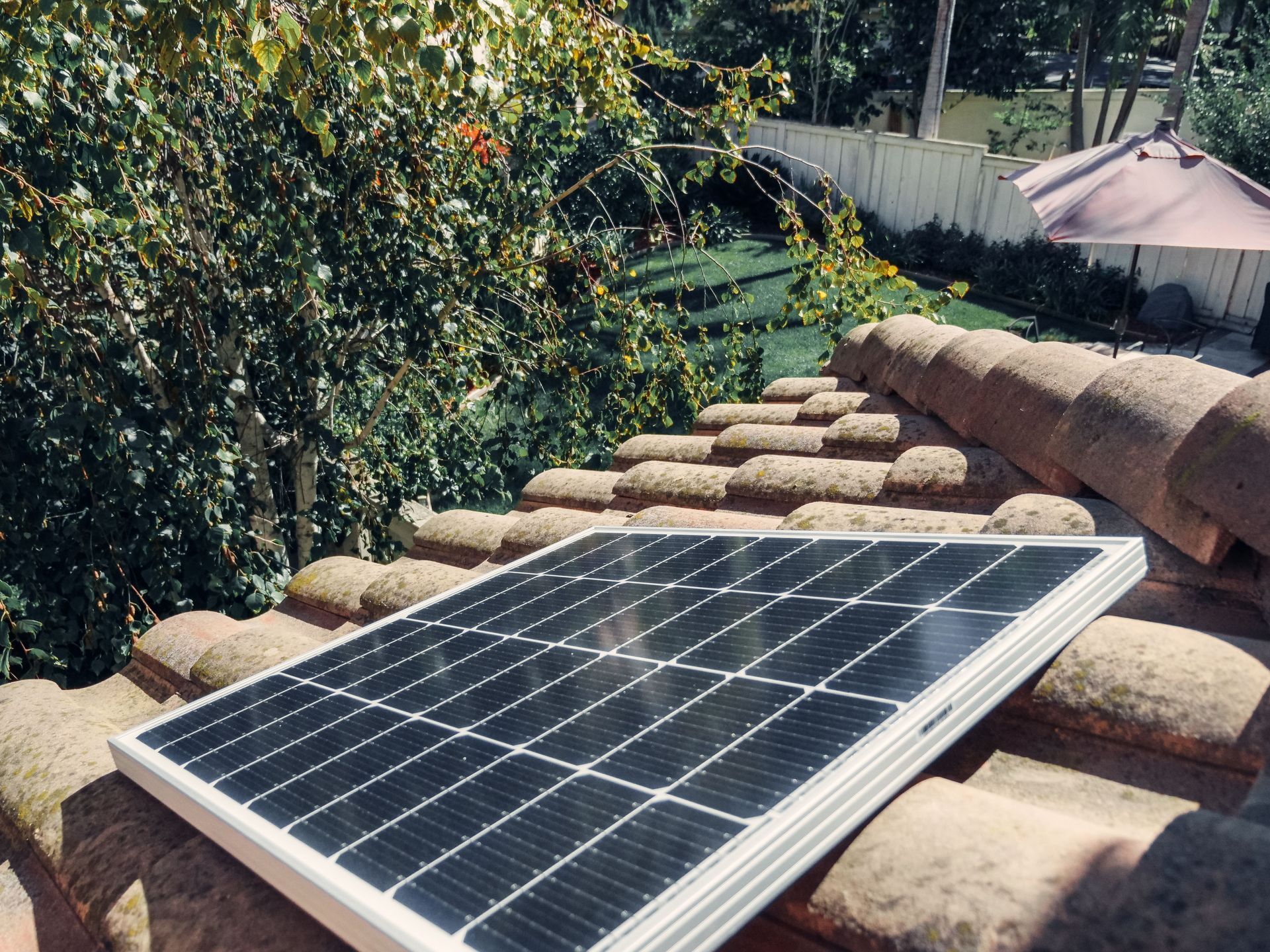
Summary: Canberra solar battery rebates in 2026 stack rather than cancel. An ACT household can combine the federal rooftop solar discount, the federal Cheaper Home Batteries Program, the ACT Sustainable Household Scheme loan, and Virtual Power Plant income. The real traps sit elsewhere: the closed ACT Next Gen rebate, retailer-set feed-in tariffs, the one-rebate-per-property rule, and a battery rebate that shrank on 1 May 2026.
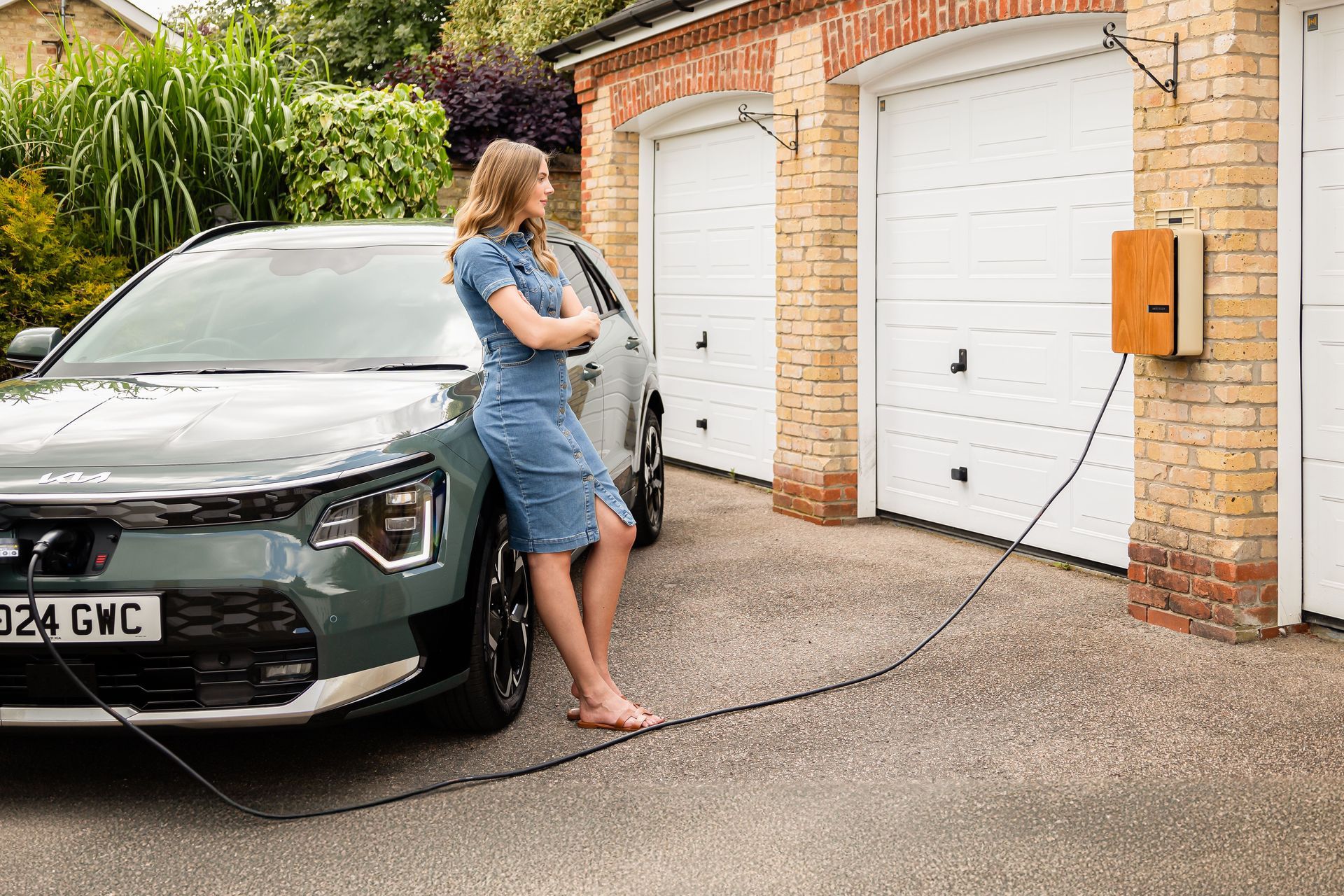
Summary: An all-electric home in Canberra works best when you follow a smart order. Start with solar, then move to hot water, your cooktop, heating, and finally an EV. Each step makes the next one cheaper, and timing your rebates well keeps thousands of dollars in your pocket. The biggest trap is paying a gas supply charge on a connection you barely use.
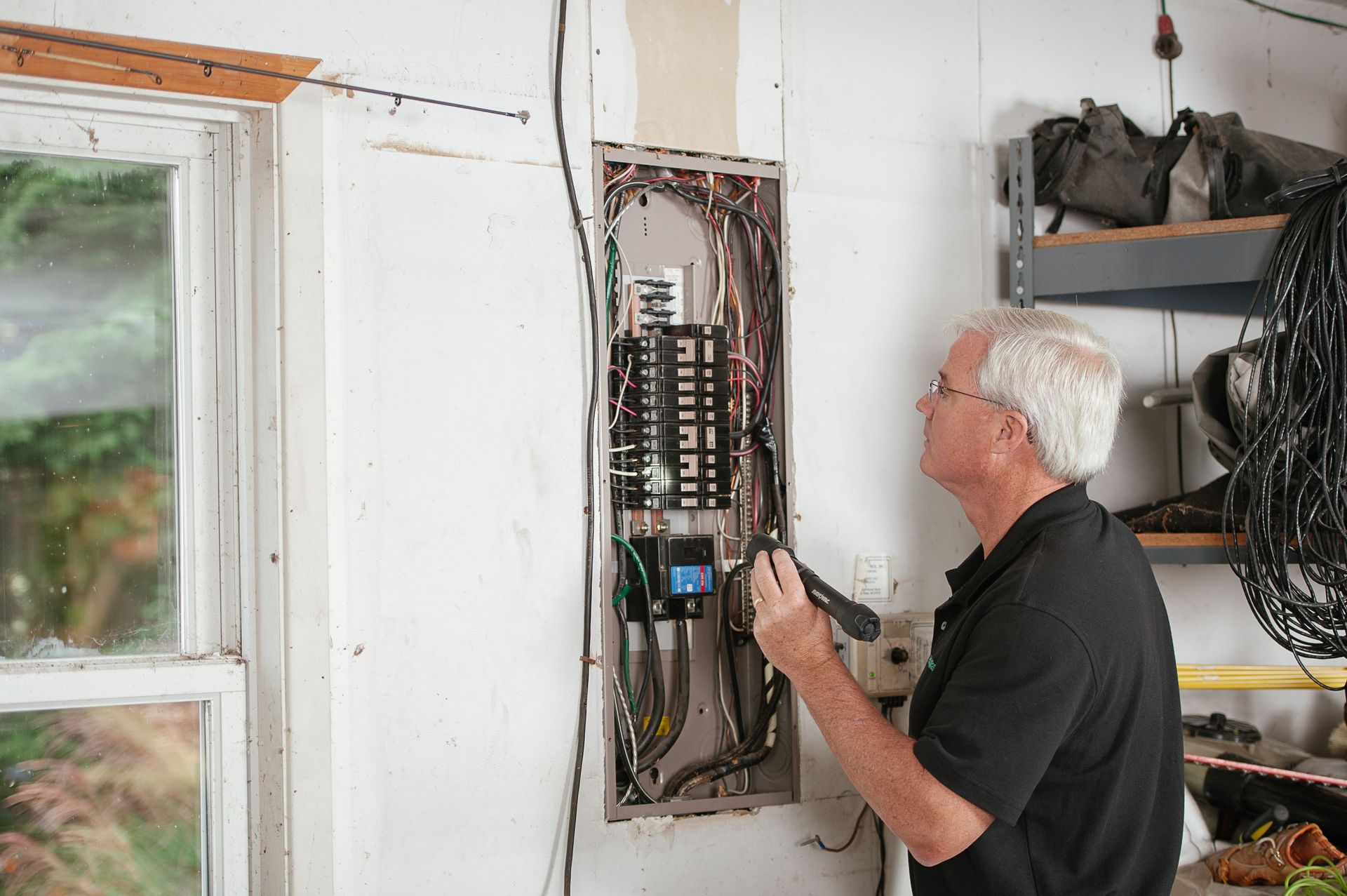
Summary: Home EV charger installation Canberra quotes vary by thousands because the wiring behind the wall is never identical from one house to the next. Single-phase versus three-phase supply, the age of your switchboard, asbestos backing panels in older homes, and the cable run to your garage all move the price. A 7kW charger usually costs $2,000 to $3,000 installed in the ACT, but supply or board upgrades push it higher. Get a site visit from a licensed local electrician before you compare quotes, because the cheapest number on paper often hides the work that matters.
GET IN TOUCH
Want to learn More?
Contact our friendly team at Econ Energy and we will get back to you as soon as possible!