
Article
Going All-Electric in Canberra: The Smartest Order to Ditch Gas Without Wasting Money
Summary: An all-electric home in Canberra works best when you follow a smart order. Start with solar, then move to hot water, your cooktop, heating, and finally an EV. Each step makes the next one cheaper, and timing your rebates well keeps thousands of dollars in your pocket. The biggest trap is paying a gas supply charge on a connection you barely use.
Plenty of Canberra homeowners want an all-electric home, but most start in the wrong place. They swap one gas appliance, feel good about it, then wonder why the savings never show up.
The order you electrify in matters as much as the gear you choose. Get it right and every upgrade feeds the next one. Get it wrong and you pay for power you could have made for free.
So here is the sequence we walk Canberra families through, and the reasoning behind each step.
Why the order beats the appliance
Think of your home as one connected system, not a list of separate jobs. Your solar feeds your hot water. Your hot water shifts to the middle of the day. Your heating leans on the same panels that charge your car.
When you plan the whole journey, each piece supports the rest. When you buy in a random order, you leave value on the table.
There is one more reason to plan ahead. You keep paying a gas supply charge until the very last gas appliance leaves your home. More on that shortly, because it catches almost everyone.
Start with solar, the foundation
Solar comes first for a simple reason. Every electric appliance you add later runs cheaper when your roof already makes the power.
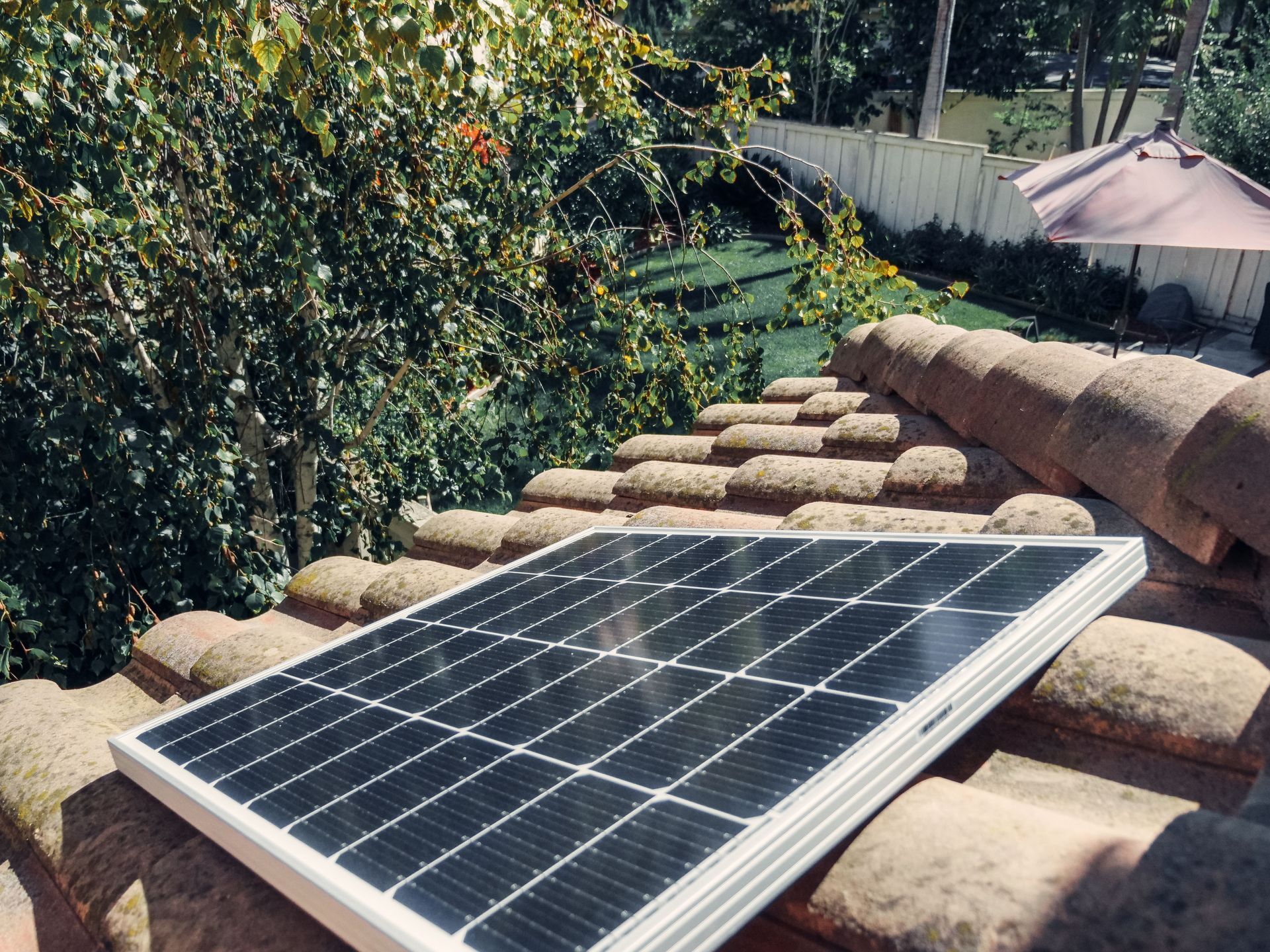
A typical 6.6kW system in Canberra generates around 24 to 30 kWh on a good day. Our cool climate and high elevation help your panels work harder, since cooler air lifts their output. Payback usually lands around 3 to 5 years.
Here is the part the brochures skip. Self-consumption is worth far more than export. You avoid buying grid power at roughly 32 cents, while feed-in tariffs now sit closer to 5 to 12 cents. So the goal is to use your own sunshine, not sell it cheap.
That balance changes once you add electric loads. With solar alone, a home self-consumes maybe 30 to 40 per cent. Add the upgrades below and that figure climbs toward 80 or 90 per cent.
Want real numbers for your roof? Our team designs every system around your home, not an average.
Explore your solar options.
Hot water is the easiest win
After solar, hot water is usually the smartest next move. It is a big, single load, and it shifts to daytime better than anything else in your home.
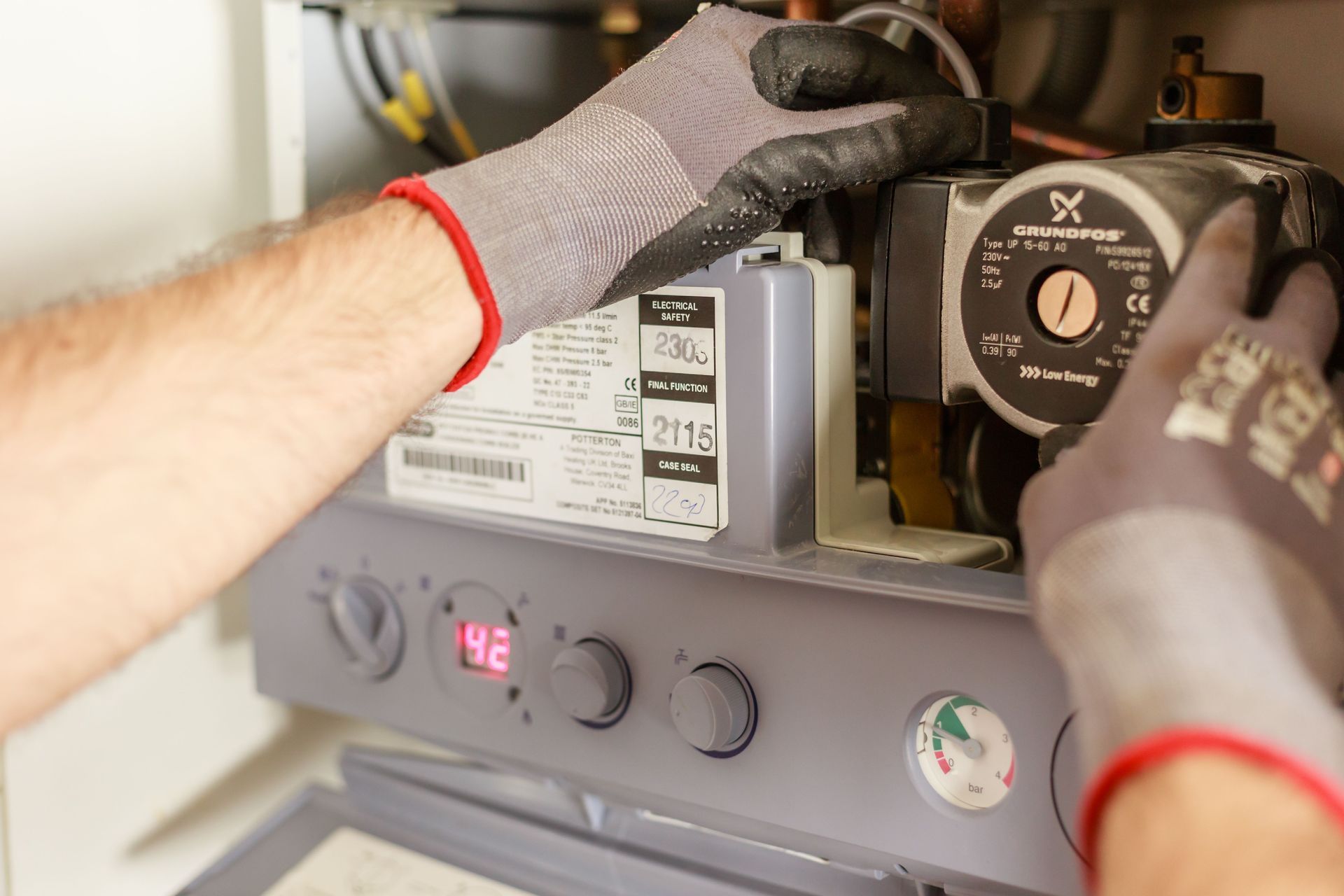
A modern heat pump runs on a timer. Set it to heat between 10am and 4pm and it sips your own solar instead of grid power. Because a heat pump moves heat rather than making it, it uses roughly a quarter of the energy of an old electric element.
The running cost tells the story. A heat pump paired with solar can cost as little as $50 to $100 a year. Gas storage tends to run $400 to $600, before you even count the supply charge.
Renew, the independent not-for-profit, found that adding a heat pump to a Canberra home with existing solar turns a marginal saving into a strong one.
You can read their gas-versus-electric guide here.
The cooktop and the air you breathe
Induction is often the last gas appliance to go, and that timing matters for your gas bill. Still, plenty of people move it sooner, and for good reason.
Cooking on gas releases nitrogen dioxide and fine particles straight into your kitchen. A landmark Australian study estimated that gas stoves drive up to 12 per cent of childhood asthma in this country. So switching to electric does more than save money, it clears a real source of indoor pollution from your home.
Induction also cooks better. It heats faster, wipes clean in seconds, and turns most of its energy into the pan rather than the room.
One thing to check first. A new cooktop sometimes needs its own circuit, so a switchboard tidy-up may come with it. Our electricians flag that during the quote, never as a surprise on install day.
Heating is where Canberra wins big
Heating is the giant of Canberra energy use. It makes up around 60 per cent of the average household's energy, thanks to our genuinely cold winters.
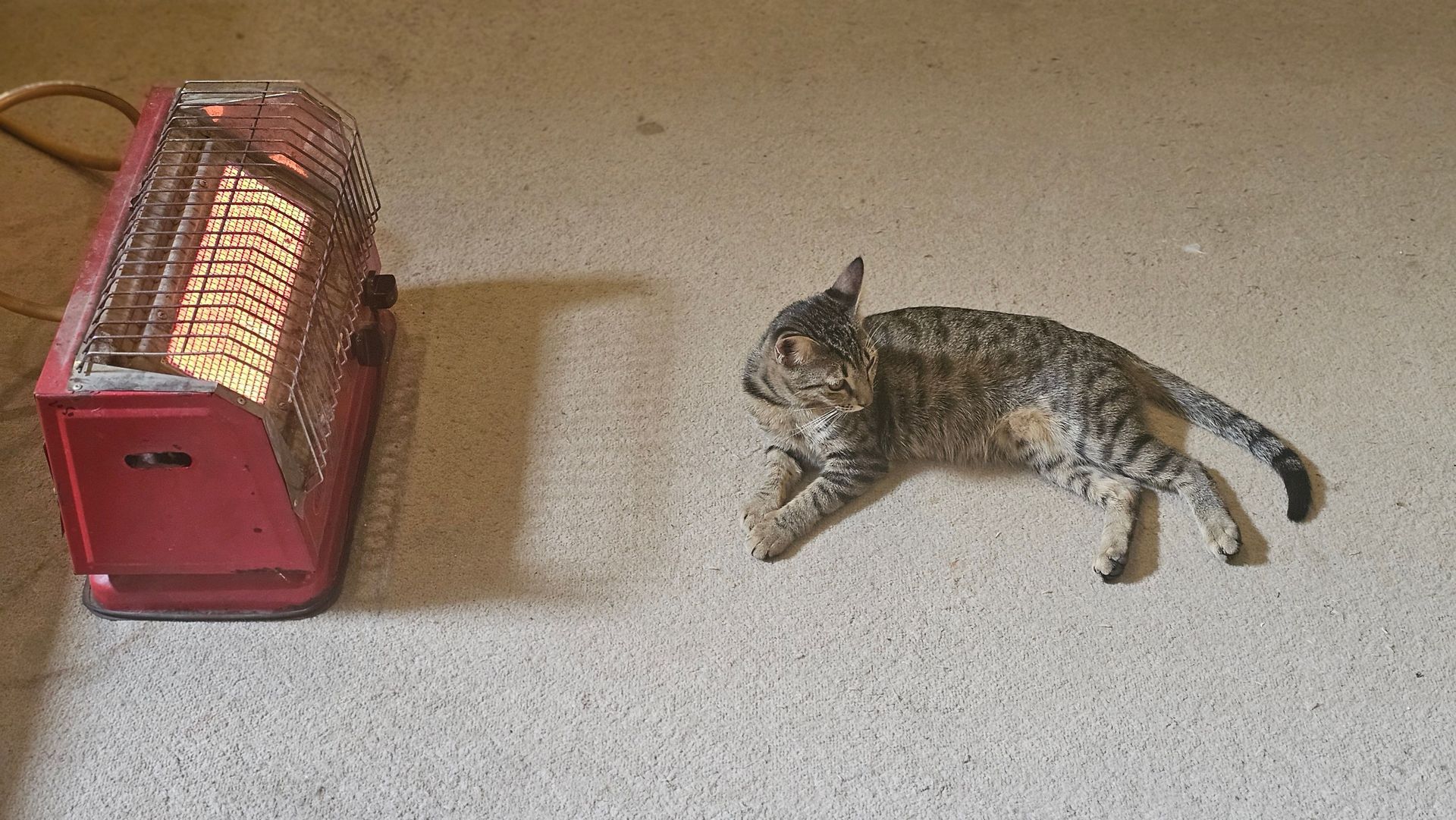
So this is where the right system saves the most. A reverse-cycle heat pump delivers 3 to 5 units of heat for every unit of power it draws. Even at zero degrees, the air outside still holds plenty of usable warmth.
The Canberra numbers are striking. The same winter heat that costs around $390 on an efficient heat pump can cost $950 or more on top-line gas, and well over $1,400 on an old ducted gas system. One Gungahlin family we know watched a $1,400 winter bill drop to $760 after the switch.
Look for a cold-climate rated unit built for low temperatures. You cannot reuse old gas ducting, so plan for new ducts as part of the job.
The ACT Government's energy guides are a solid starting point if you want to compare options.
The EV comes last, and that is fine
An electric car is the biggest single purchase, so it usually waits for your next vehicle change. There is no rush.
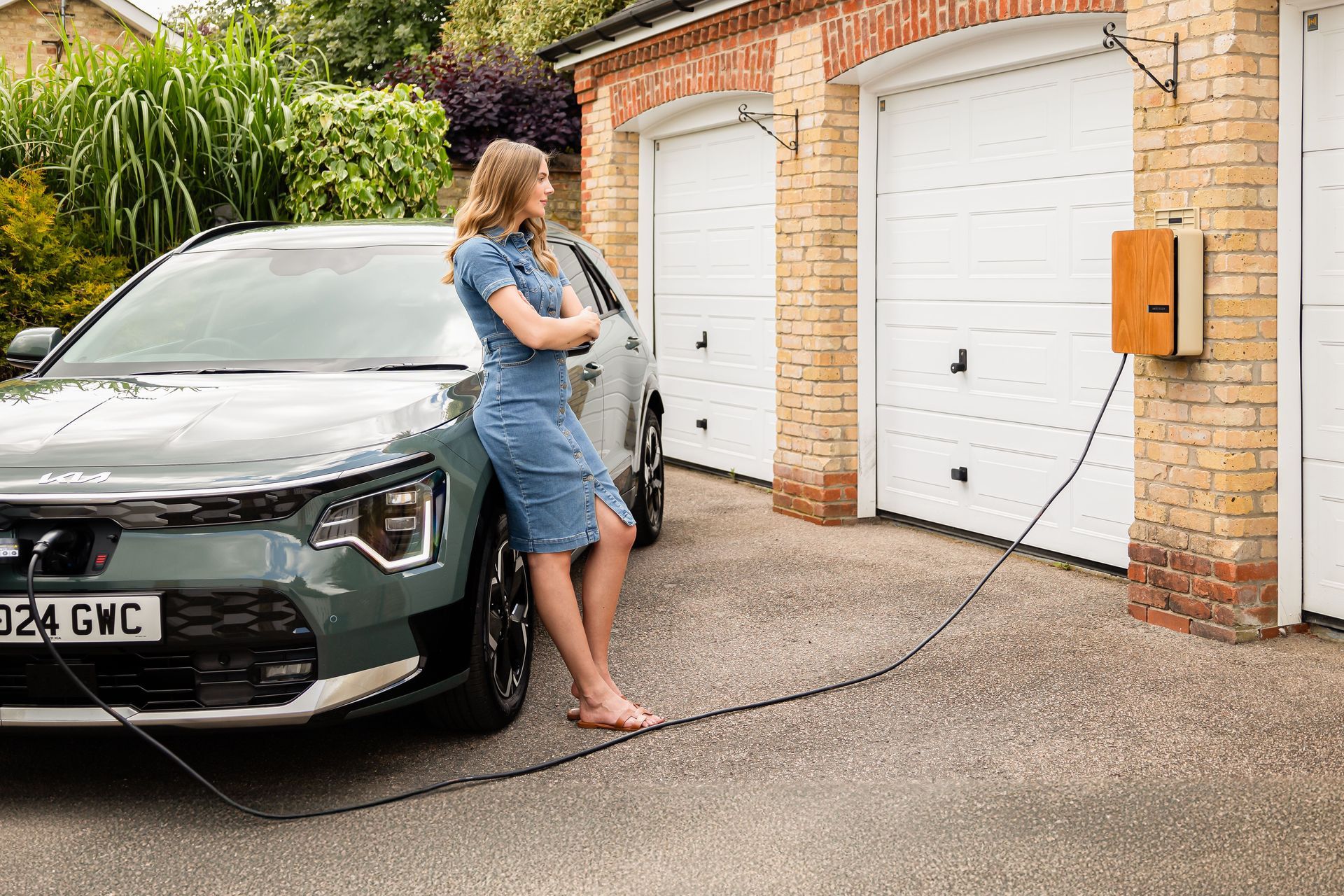
When it arrives, it slots in beautifully. A 7kW home charger costs around $1,000 to $2,000 installed. Charge during the day and your car runs largely on sunshine, for roughly 1 cent a kilometre instead of around 12 cents on petrol.
Bidirectional charging, where your car powers your house, is now legal in Australia and slowly maturing. Yet the hardware still costs more than most people want to spend today. So for now, a normal charger plus solar is the sweet spot for most homes.
Do not pay for gas you no longer use
Here is the trap we promised to come back to. That gas supply charge runs around $300 a year, and you keep paying it until the final gas appliance is gone.
Swap your hot water but keep a gas cooktop, and the meter stays. So the smart play is to plan the last few appliances together, then cut the connection in one clean move.
You have two ways to do that. A temporary disconnection costs around $100 to $185 and leaves the pipe in place. A full abolishment costs more, often around $800 to $1,000, and removes the line for good. Evoenergy sets these fees, and the ACT Government is working to bring the abolishment cost down.
Either way, always have a licensed pro cap the line when the last appliance leaves. That final step is what stops the charge for good.
Time your rebates so they stack
Sequencing also lets you catch the rebates before they shrink. A few are worth knowing.
The ACT Sustainable Household Scheme offers loans up to $15,000 for heat pumps, reverse-cycle systems, induction and batteries. The federal Cheaper Home Batteries Program then takes roughly 30 per cent off a battery and stacks with that loan.
Yet the battery rebate now rewards right-sizing. Since 1 May 2026, it has worked in tiers. The first 14 kWh of capacity earns the full rate. From 14 to 28 kWh you get 60 per cent, and above that just 15 per cent. The rate also steps down every six months. So a battery matched to your home beats an oversized one on value, not just on price.
Solar still earns federal certificates too, though their value steps down each year as well. Because these incentives shrink on a schedule, earlier often beats later. So a good installer maps the timing for you and claims the most across the whole project.
Map the whole journey, not one box
Going all-electric in Canberra is not one decision. It is a handful of well-timed ones, and they work best when someone sees the full picture from the start.
That is the part we love. Brady and our in-house team have handled over 6,000 installs across Canberra, and the same electricians who quote your job are the ones who do it. No hand-offs, no sales pressure, just a clear plan that fits your home and your budget.
Ready to map your path off gas?
Book a free on-site assessment and we will show you exactly where to start.
Frequently Asked questions
What is the best order to go all-electric in Canberra?
Start with solar, then move to hot water, your cooktop, heating, and finally an EV. Each step raises how much of your own solar you use, which makes the next upgrade cheaper. Removing the last gas appliance then lets you cut the gas connection and its supply charge.
How much can an all-electric home in Canberra save?
It varies by home, yet the gap is real. Avoiding the gas supply charge alone saves around $300 a year. Add efficient heating, hot water and solar self-consumption, and many households save well over $1,000 a year, more again once an EV joins the mix.
Do I have to disconnect gas straight away?
No. You can keep your gas connection as long as you like. The savings simply land once the last gas appliance goes and you cut the connection, so it pays to plan those final steps together.
Will going all-electric work in Canberra's cold winters?
Yes. Modern cold-climate heat pumps keep performing well below zero, and they still deliver several units of heat for every unit of power. Because Canberra homes lean so hard on heating, they often see the biggest savings of all.
share this
Related Articles
Related Articles
GET IN TOUCH
Want to learn More?
Contact our friendly team at Econ Energy and we will get back to you as soon as possible!