

A straightforward guide to home batteries for Canberra households.
The Only Solar Battery Guide You need In 2026
Understand how batteries work, when they make sense, and how to approach the decision with confidence.
If you're unsure whether a battery is right for your home, this guide will help you understand the key things to consider before making a decision.
Before You Choose a Battery
Watch This


Solar batteries are one of the most talked about home energy upgrades right now.
But they’re also one of the most misunderstood. If you’ve been wondering whether a battery is actually worth it, you’re not alone.
In this short video, Brady, co-owner of Econ Energy, explains how home battery systems actually work and what Canberra homeowners should think about before installing one.
What we cover:
Why batteries are becoming more popular
How batteries work with your solar system
When they tend to make sense financially
What a properly designed installation looks like
Common mistakes homeowners can avoid
Solar Battery Decision Checklist
Before adding a battery, it’s worth stepping back and looking at how your home actually uses energy.
A few simple questions you should consider:
How much solar are you generating during the day?
When does your household use the most electricity?
Would backup power make a difference during outages?
Are you planning changes like EVs, electrification, or adding more load?
What do you want from the system long term, savings, independence, or both?
Getting clear on these early helps avoid a system that looks good on paper but doesn’t quite work in real life. If you’re not sure where you land on any of these, that’s completely normal.
We can walk through your setup with you and help you make sense of what actually fits your home.
How Econ Energy
Approaches Battery Installations
Installing a battery isn’t just adding another piece of equipment. It needs to be designed to work seamlessly with your solar system and your home’s electrical setup.
At Econ Energy, we focus on getting this right from the start. That means understanding how your home uses energy, designing the system around it, and ensuring everything is installed to perform properly long term.
Careful
system design
We review your solar system, your electricity usage, and what you want the battery to achieve.
In-house installation team
All of our systems are installed by our own electricians and installers. We do not subcontract our installation work.
Reliable
equipment
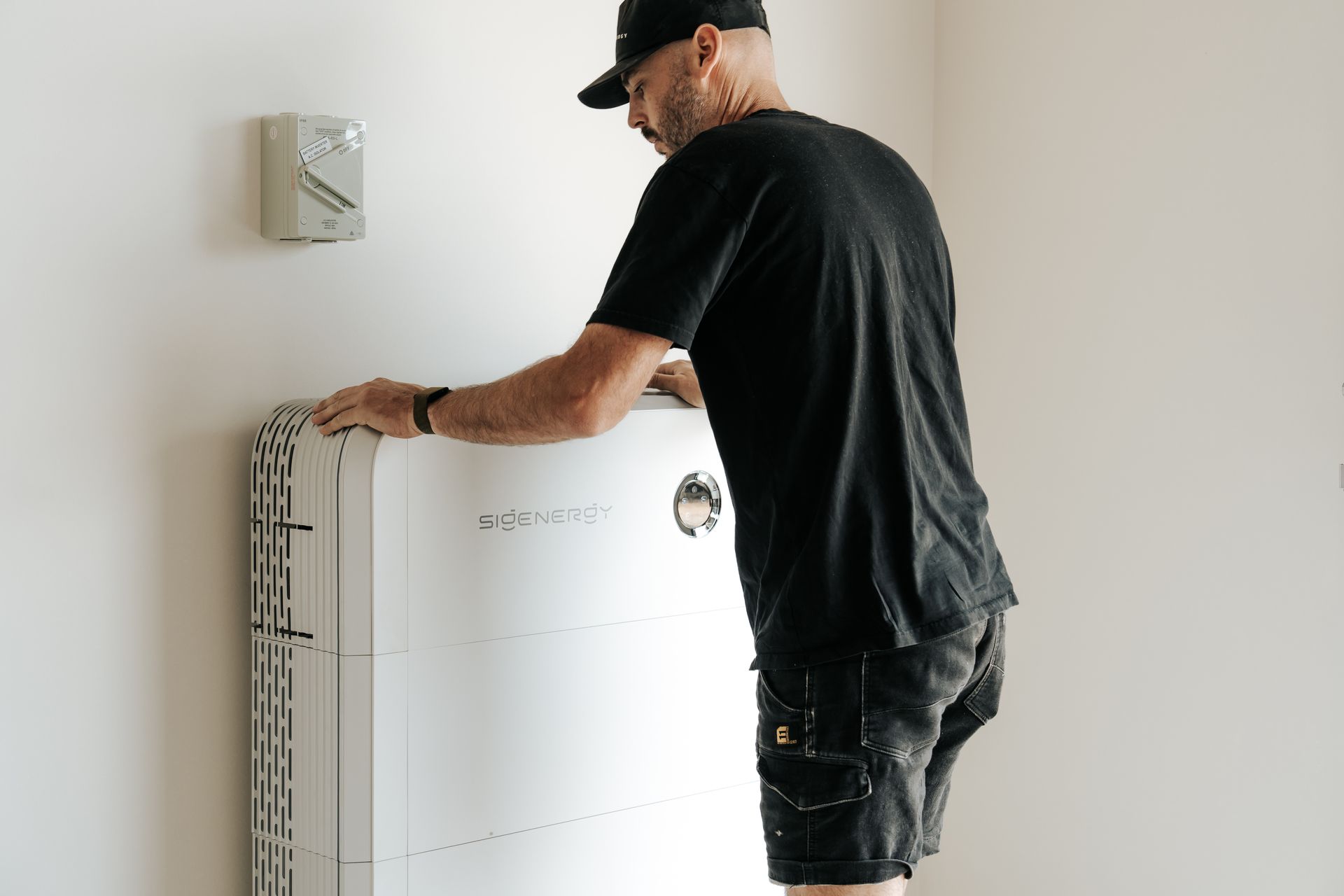
We install proven battery technologies such as Tesla Powerwall, SolarEdge, and Sigenergy systems.
Ongoing
support
Because we are based here in Canberra, we provide long-term support for the systems we install.
We want you to feel confident in your system.
That it’s been designed properly, installed properly, and set up to work reliably long term.
Because once it’s on your home, you shouldn’t have to think about it again. That’s what we focus on every day. Doing the job properly, the first time.
Thinking About a Solar Battery in Canberra?
Solar batteries are getting a lot of attention at the moment.
Electricity prices have been rising, battery technology has improved, and new rebate programs are starting to appear.
Because of this, many Canberra homeowners are beginning to ask the same question:
“Would a battery make sense for our home?”
In some homes, a battery can be a very useful addition to a solar system. It allows you to store excess solar energy during the day and use it later in the evening when the sun has gone down.
But the honest answer is that batteries are not the right solution for every home.
The best way to approach the decision is to first understand how batteries work, how your household uses electricity, and what you want the system to achieve.
This guide walks through those basics so you can make a clear and informed decision.
If you would like to talk through your situation, we are always happy to help.
What a Solar Battery System Looks Like
A solar battery works with your solar panels to store unused energy generated during the day.
Instead of sending that excess energy back to the grid, it’s stored for when your home actually needs it most.
Here’s how it works in practice:
During the day, your solar system powers your home while generating surplus energy. That extra energy is stored in your battery rather than exported.
In the evening, when solar production drops off, your home draws from the battery instead of the grid.
This helps you use more of your own energy, reduce reliance on the grid, and improve overall efficiency.
Why Solar Batteries Are Becoming More Popular
Across Canberra, more homeowners are choosing to add batteries to their solar systems. Not because it’s a trend, but because it solves real, everyday energy challenges.
Here’s what’s driving the shift.
Rising electricity prices
Energy costs aren’t as predictable as they used to be.
More households are looking for ways to take control of when and how they use electricity, instead of relying fully on the grid.
A battery gives you more flexibility to use your own energy on your terms.
Using more of your solar energy
Most solar systems generate the most power during the day, when many homes aren’t using it.
Without a battery, that excess energy is often exported back to the grid.
With a battery, you can store that energy and use it later, when it actually matters, like in the evening.
Backup during power outages
Power outages don’t happen often, but when they do, they’re disruptive.
A properly configured battery system can keep essential parts of your home running, so you’re not left in the dark when the grid goes down.
Improvements in battery technology
Battery systems have come a long way in recent years.
They’re now more reliable, easier to monitor, and better integrated with modern solar systems.
That means fewer compromises and a more seamless experience day to day.
Government incentives
Rebates and financing options are helping reduce the upfront cost of installing a battery.
This makes it more accessible for homeowners who want to improve how their energy system works without taking on the full cost upfront.
The key is not just adding a battery, but choosing the right setup for how your home actually uses energy.
When a Solar Battery Can Be a Good Fit
Every home is different, but batteries often work well in situations like these.
Homes that already have a strong solar system
Families who use a lot of electricity in the evening
Households that want backup power during outages
Homeowners planning to electrify appliances
Families who want greater energy independence
In these situations, a battery can help store excess solar energy and use it later when the home needs it most.
When a Battery Might Not Be the Right Step Yet
Sometimes the most helpful advice is simply to wait.
There are situations where installing a battery may not provide much benefit right away.
Homes with smaller and insufficient solar systems
Households with very low evening electricity usage
Homeowners planning to move in the near future
Situations where expectations for bill savings are unrealistic
In cases like these, it may make more sense to improve the solar system first or review the option again later.
Our approach is always to look at the full picture before recommending a battery.
Three Common Mistakes
Homeowners Make With Batteries
Because batteries are getting so much attention, some homeowners feel pressure to install one quickly.
Taking a bit of time to understand how they work can help avoid a few common problems.
Installing a battery without understanding energy usage
A battery works best when it matches how your household uses electricity.
Homes that generate strong solar power during the day and use more electricity in the evening tend to benefit the most.
Installing a battery just because of rebates
Rebates can certainly help reduce the upfront cost.
However, the battery system still needs to suit your home, your solar system, and how your family uses energy.
Poor system design or compatibility issues
A battery system needs to be designed properly so it works smoothly with the existing solar system and inverter.
Good design and proper installation are essential for long-term reliability and safety.
Battery Rebates and Incentives in Canberra
Looking to install a home battery?
There are government rebates, financing options, and limited-time incentives that can help reduce upfront costs.
What’s available can change depending on your eligibility, system type, and current programs in the ACT.
Understanding these options properly can make a noticeable difference to your overall investment.
ACT Sustainable Household Scheme
The ACT Government also offers the Sustainable Household Scheme.
This program provides interest-free loans that homeowners can use for solar and battery upgrades. The loans allow households to spread the cost of the system over time.
Rebates and financing programs can certainly help make batteries more affordable.
However, it is still important that the system itself is the right fit for your home and how your family uses electricity.
Federal Cheaper Home Batteries Program
The Federal Government has introduced the Cheaper Home Batteries Program to support the installation of home battery systems.
For eligible households, the program may reduce the cost of a battery system by roughly 30 percent depending on the size of the system and eligibility requirements.
Battery systems generally need to meet certain conditions, such as:
- Approved equipment
- Installation by an accredited installer
- Compatibility with Virtual Power Plant programs in some cases




Local Battery Installers in Canberra
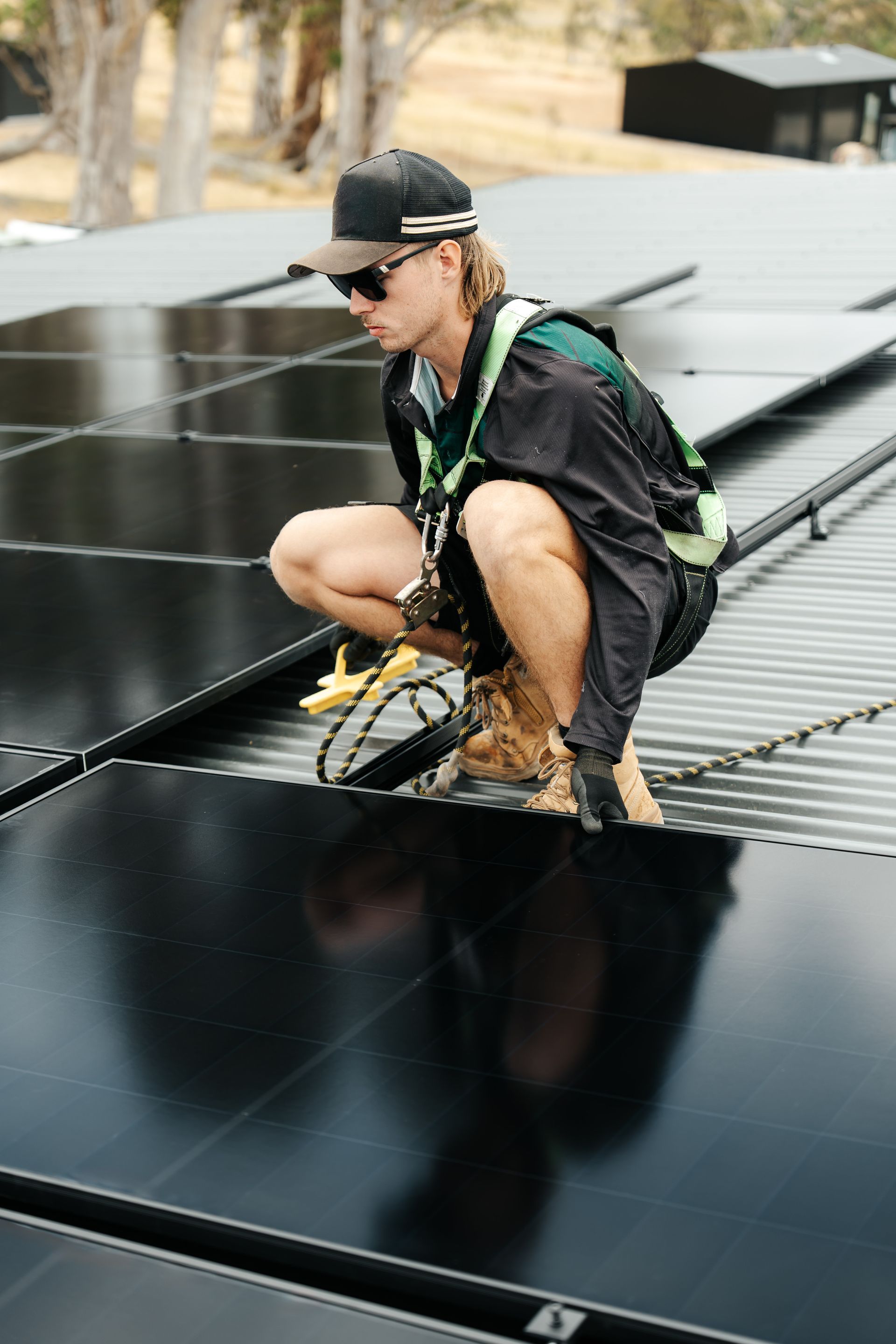
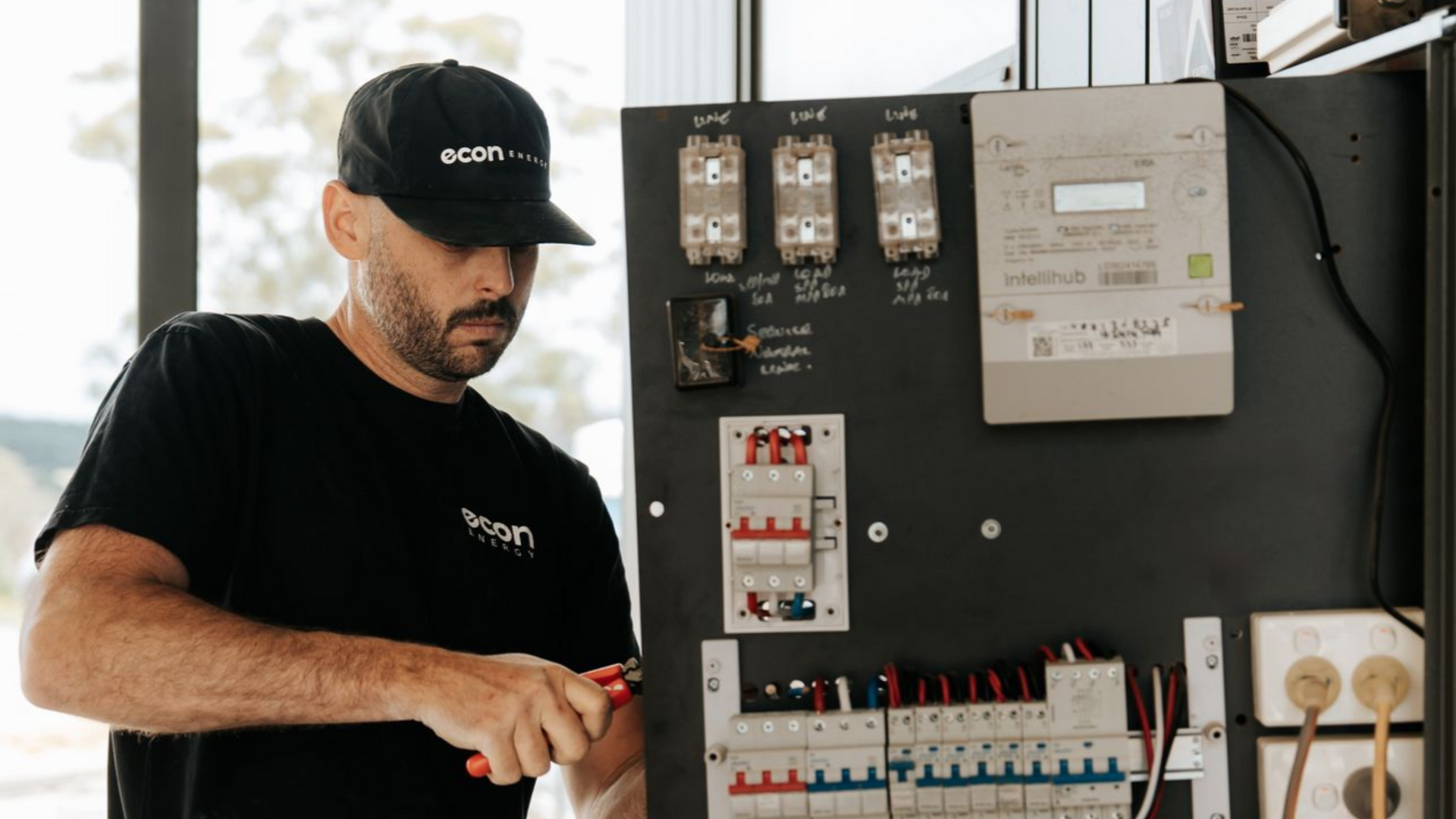
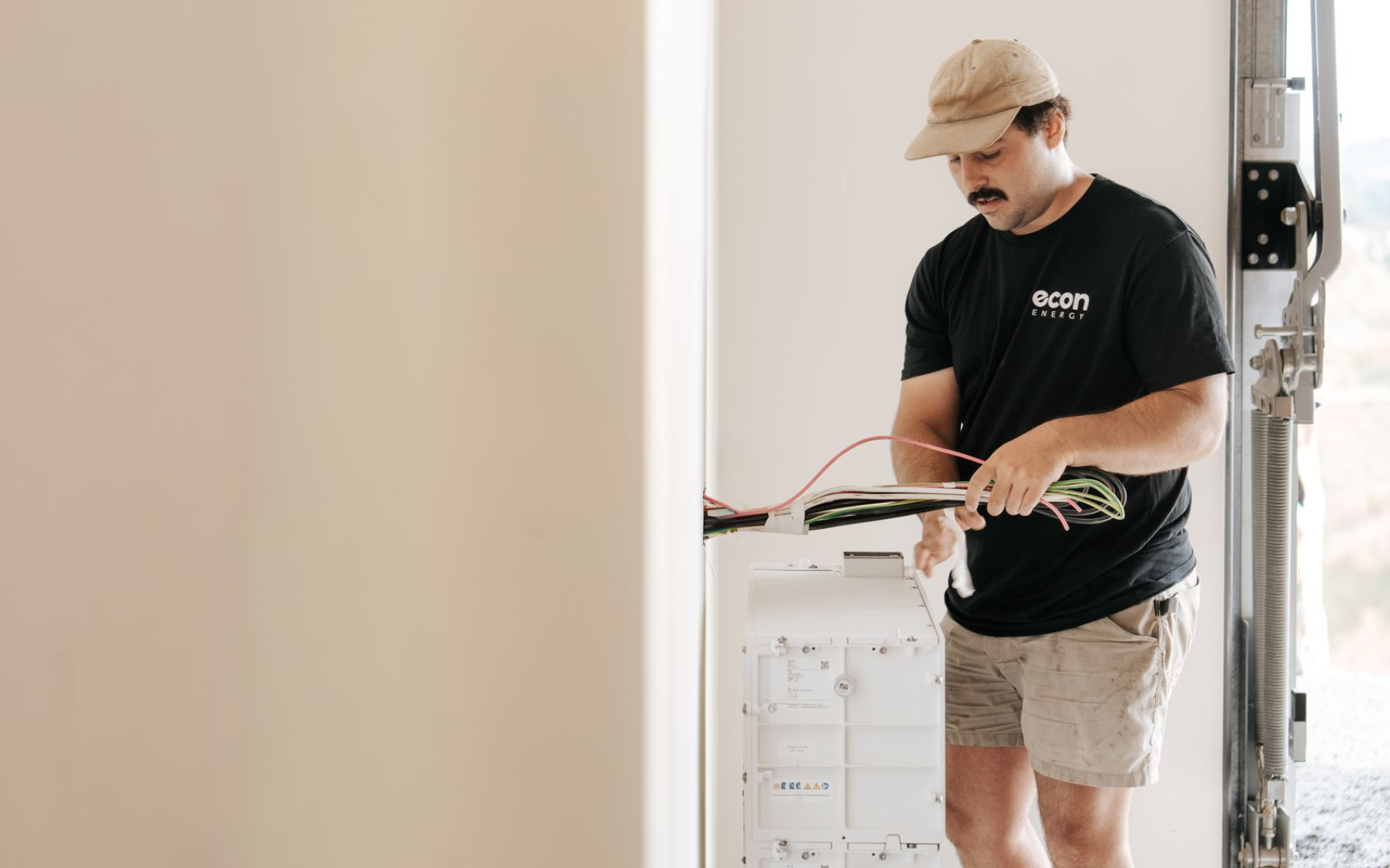
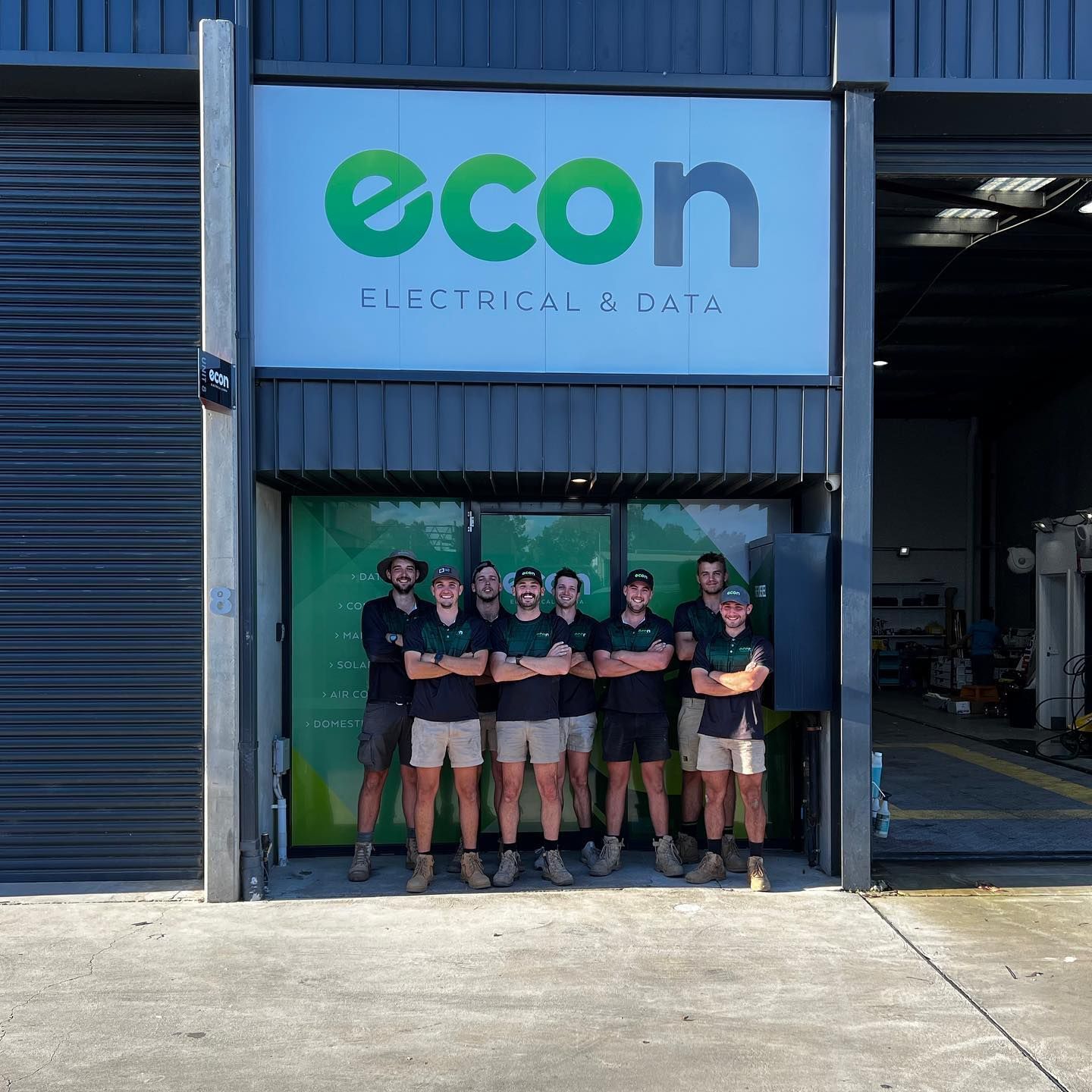
Econ Energy is a family-run solar and electrical business based in Canberra. All systems are planned and installed by our in-house team. This means that the same people who plan your system are the ones who install it.
That consistency matters. It’s how we make sure every system is set up properly, with the level of detail and care it deserves.
We’ve worked on solar and battery systems right across Canberra, and we’re still here long after the install is done. If you need help down the track, you know exactly who to call.
frequently asked questions
Are solar batteries worth it in Canberra?
In many cases they can be, especially when paired with a well-sized solar system and suitable household energy usage.
How long do solar batteries last?
Most modern battery systems are designed to operate for around 10 to 15 years or more.
Can a battery power the whole house?
Some systems can support most household loads, but full home backup depends on the size of the battery and how the system is configured.
What size battery do I need?
Battery size depends on your solar generation, how much electricity your household uses, and what you want the system to achieve.
Can I add a battery to an existing solar system?
Yes. Many solar systems can be upgraded with battery storage.
What happens during a blackout?
Some battery systems can provide backup power during outages, depending on how the system is configured.
Thinking About a Solar Battery?
If you are considering a battery and would like clear advice about whether it makes sense for your home, we are always happy to help.
We can review your solar system, look at how your household uses electricity, and explain the options that may suit you.