

Article
Heat Pump Hot Water in Canberra: Will It Keep Up Through a Frosty Winter?
Summary: Quality heat pump hot water systems handle Canberra winters without trouble. Cold-climate CO2 models from brands like Sanden and Reclaim run down to -10°C with no electric booster, and field testing shows they hold a coefficient of performance near 2 even on sub-zero mornings. Pair that with the ACT Sustainable Household Scheme loan and federal certificates, and switching from gas pays for itself in roughly four to six years.
Heat pump hot water in Canberra raises one honest question before anyone signs a quote. Will it keep working once the frost sets in?
It is a fair worry. Canberra gets colder than almost any other Australian capital, so a system that shrugs off a Sydney winter might struggle here. Most online advice skips this point, because most of it is written for milder cities. So let us deal with the cold head-on and look at what the technology really does when the temperature drops below zero.
Canberra Winters Are a Genuine Test
Start with the numbers, because they set the challenge honestly. The Bureau of Meteorology recorded a winter 2025 mean overnight minimum of -0.1°C at Canberra Airport, almost a full degree below the long-term average. The coldest morning hit -7.6°C on 21 June, and the city strung together five nights below -5°C at the end of that month.
Frost is the bigger story, though. The ACT averages 60 to 80 frost days a year, more than any other capital in the country. Valley suburbs across Tuggeranong pool cold air on still nights, so they tend to dip lower again. Anyone selling you a hot water system that ignores this is not paying attention to where you live.
Here is the reassuring part. A heat pump does not need warm air to work, despite what the word “frost” might suggest. So the cold is a design question, not a dealbreaker.
How Heat Pump Hot Water Holds Up in the Cold
A heat pump moves heat rather than making it, so it pulls warmth out of the surrounding air and concentrates it into your tank. Even at 0°C, the air still holds more than 90% of the heat energy it carries at 40°C. So there is plenty to draw on, even on a frosty Canberra morning.
The figure that matters is the coefficient of performance, or COP. A COP of 3 means the unit delivers three units of heat for every one unit of electricity it uses. Most systems sail past 4 in summer, so the real question is what happens once it gets cold.
Testing answers that well. The ACT Government’s own buyer guidance notes that models suited to Canberra still reach a COP of at least 2 in sub-zero temperatures. A long Canadian field trial backed this up, with CO2 units holding a COP near 2 through sub-zero weeks while cheaper systems collapsed toward the efficiency of a plain electric element. That gap is the whole story, and it comes down to one thing: the refrigerant.
Refrigerant Choice Decides Cold Performance
Not every heat pump uses the same working fluid, and the difference shows up fast in winter. CO2 refrigerant, also written as R744, boils at around -26°C. So it keeps extracting heat long after the air has turned frosty. Brands like Reclaim and Sanden build around it and run down to -10°C with no electric booster propping them up.
Propane systems, labelled R290, also perform strongly and suit most Canberra homes, though they usually rate to around -7°C. Older R134a units are the ones to watch. They fade toward an efficiency of 1 once the air drops below roughly 3°C, which means they quietly turn into expensive electric heaters on the coldest mornings.
So the refrigerant is not a technical footnote. For a Canberra home, it is the single choice that decides whether your system stays cheap to run in July. We steer most local customers toward a CO2 model for exactly that reason.
Sizing and Placement That Beat the Frost
Getting the unit right matters as much as picking it. Heat pumps reheat water more slowly than gas, so the tank needs to be a little larger to carry you through. We generally size up one step for Canberra conditions, which means a 315 litre tank for most family homes rather than the 250 a milder climate might get away with.
Placement comes next. The unit needs clear airflow, room for condensate to drain, and a spot away from the frost pockets where cold air settles. A split system helps here, since it lets the tank sit somewhere sheltered while the compressor handles the outside air. We also keep noise limits in mind, because the ACT enforces them at your boundary, and a quiet CO2 unit runs at around 37 decibels.
Then there is timing. Setting the system to run through the middle of the day does two useful things at once. It catches the warmer afternoon air, when efficiency peaks, and it soaks up spare power from your
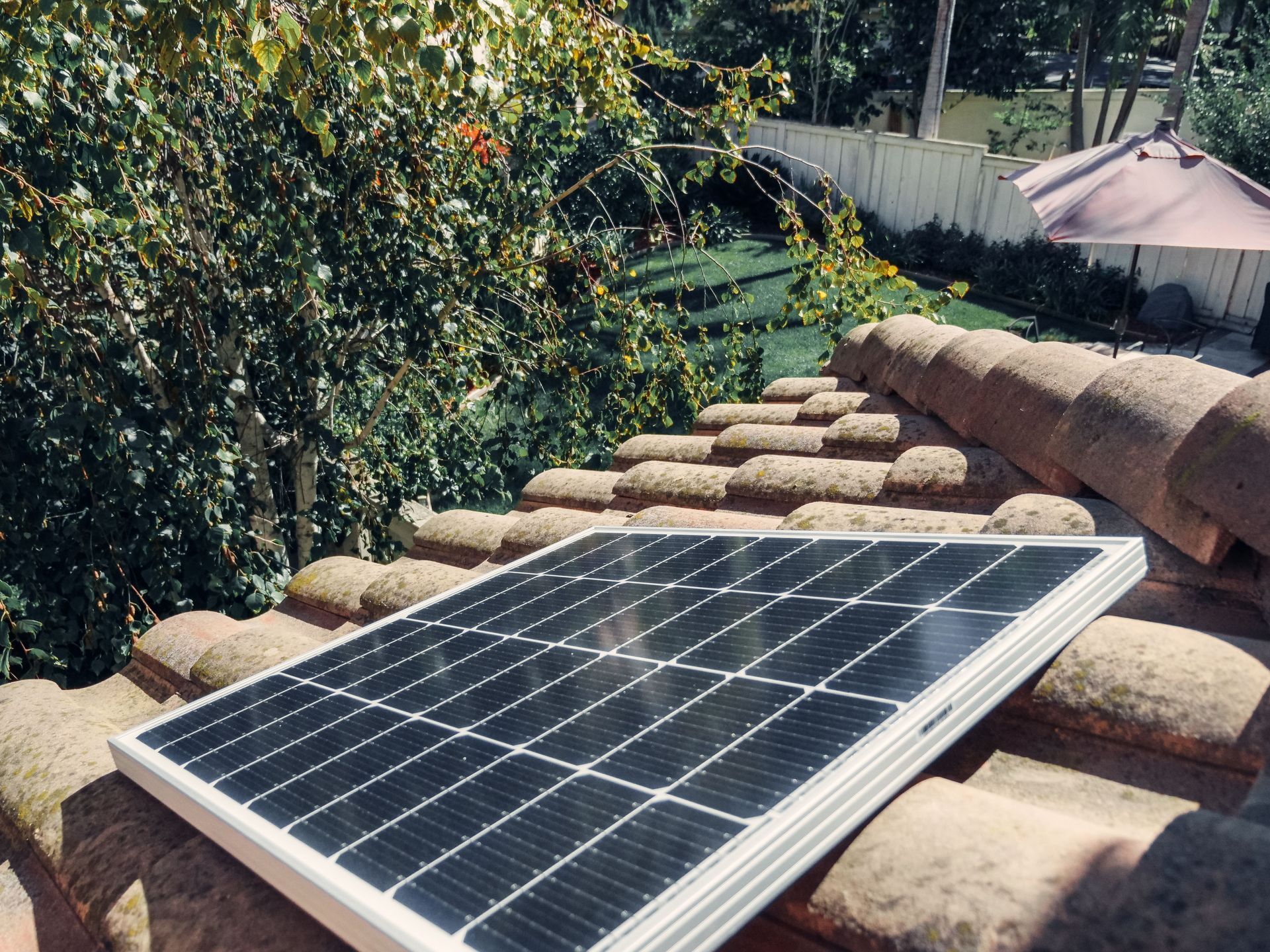
solar panels instead of selling it back for almost nothing. That single setting can shift a Canberra system from good to excellent.
How the Sustainable Household Scheme Changes the Gas Maths
Money is where this gets interesting. The ACT Sustainable Household Scheme lends households between $2,000 and $15,000 over ten years to cover upgrades like a hot water heat pump. The terms shifted on 1 July 2025, moving from interest-free to a 3% fixed rate, yet the loan still removes the upfront hurdle that stops most people switching.
Federal support stacks on top. Small-scale technology certificates, managed by the Clean Energy Regulator, knock a point-of-sale discount off the price, and Canberra sits in a cooler certificate zone that earns more of them. Concession card holders can go further again through the Home Energy Support Program, which offers rebates rather than a loan.
Meanwhile the ground is shifting under gas. The ACT banned new gas connections in December 2023 and aims to be gas-free by 2045. As households leave the network, the fixed cost of running it spreads across fewer bills, so the people who stay on gas longest tend to pay the most.

Heat Pump Hot Water vs Gas: The Canberra Numbers
Run the figures and the case becomes clear. The ACT Government compared a 300 litre system across three fuel types. A heat pump cost about $478 a year to run, gas storage came in near $850, and old-style electric resistance landed at $1,435. So the heat pump wins on running cost by a wide margin every single year.
Upfront, a quality heat pump installs for around $5,500 before rebates, against roughly $1,800 for a basic gas or electric replacement. The rebates close most of that gap, and the running savings clear the rest. For most Canberra homes, the switch pays for itself in four to six years, then keeps saving long after.
There is an emissions angle too. Because the ACT runs on renewable electricity, a heat pump produces effectively no carbon in operation, while a gas storage unit puts out more than a tonne of CO2 a year. So you trim the bill and the footprint in the same move.
Get Honest Numbers for Your Home
Every home is different, so the right tank size, the best refrigerant and the real payback all depend on your roof, your hot water habits and your current setup. We work that out on site rather than guessing from a calculator.
Book a
free on-site assessment with our Canberra team, and we will show you exactly what a
heat pump hot water upgrade looks like for your home, frosty mornings included.
Frequently Asked questions
Does a heat pump hot water system work in Canberra frost?
Yes. Cold-climate CO2 models run down to -10°C with no electric booster, and field testing shows they hold a COP near 2 even on sub-zero mornings. The key is choosing a unit built for cool climates rather than a budget system designed for milder cities.
What size heat pump hot water tank do I need in Canberra?
Most family homes suit a 315 litre tank, sized up one step from milder regions because heat pumps reheat more slowly. A one or two person household can manage on less, while larger families may want 400 litres. We confirm the right size during an on-site visit.
How much does the Sustainable Household Scheme cover?
The scheme lends between $2,000 and $15,000 over ten years, now at a 3% fixed rate since 1 July 2025. A hot water heat pump qualifies, and concession card holders can reach extra rebates through the separate Home Energy Support Program.
Is it worth switching from gas to a heat pump in the ACT?
For most homes, yes. Running costs drop from around $850 a year on gas to about $478 on a heat pump, and the switch usually pays for itself in four to six years. With new gas connections banned and the ACT heading gas-free by 2045, the long-term direction is clear.
What brands does Econ Energy recommend for Canberra?
We favour CO2 systems from brands like Sanden and Reclaim for their cold-weather performance and quiet operation. Then we match the specific model to your household size, roof and budget during a free assessment.
share this
Related Articles
Related Articles
GET IN TOUCH
Want to learn More?
Contact our friendly team at Econ Energy and we will get back to you as soon as possible!