
Article
What should I look for in a solar system?
February 7, 2024
Quality
the best rooftop solar systems feature high-quality panels matched with a high-quality inverter. If you’re paying much less than other similar-size systems quoted, you may get inferior quality equipment and/or installation. Make sure your panels and inverter are accredited by The Clean Energy Council (CEC): go to www.solaraccreditation.com.au/solar-products.html to make sure that both your panels and inverter are on the CEC’s list of accredited products. This is a mandatory requirement for your solar system to be eligible to create STCs.
The manufacturer’s warranty
Manufacturers offering better warranties do so because they have greater confidence in their product.
- Panels have two warranties: the manufacturer’s warranty (also called the product warranty) and the performance warranty. Good quality panels carry a 10-year product warranty and a 25-year linear performance warranty. Make sure you look for a linear performance warranty – it provides you with a guarantee that your panels will perform at a higher output over the entire 25-year period, compared to a standard warranty.
- Inverters: even the most expensive ones only include a standard 5-year warranty. So, look for inverters that have a reputable presence in the Australian market – you want confidence that if a warranty issue arises, they’ll be around to honour it.
- Don’t pay extra for ultra-efficient panels if you don’t need to: unless you don’t have a lot of roof space, you don’t need to pay the extra cost for higher-efficiency panels. Higher efficiency just means that panels are physically smaller for the same output. Panels offering 16% efficiency, or more are enough. But you should look out for panels with a 0% negative power tolerance, which many manufacturers offer these days. It means the manufacturer guarantees the panel output will match (or exceed) the panel’s rating, which indicates that the manufacturer has good quality control processes in place.
- Panels with a performance ratio of 90%: the specification sheet you receive for your solar panels tells you how your panels perform under lab conditions. However, once your panels are on the roof they operate in much hotter conditions. As panels heat up their performance reduces. So it’s important to look for panels with a performance ratio of 90% or higher. The performance ratio indicates how your panels operate under “real world” conditions vs lab conditions. Not many panels perform at over 90%, so it’s important to check that yours will.
- Inverters with a good Euro efficiency, rather than peak efficiency: inverter efficiency is the percentage of DC power from your panels that is converted to 240V AC mains power so it can be used in your home and fed back into the electricity network. An inverter’s efficiency varies depending on how hard it’s working (load). So don’t just look for an inverter with the highest peak efficiency (which is likely to be between 94-98% in Australia). It is much better to choose an inverter that has higher efficiency over a broad range of load (which is Euro efficiency).
- Waterproof inverters: even if you choose a waterproof inverter, you should still make sure it’s installed in a position out of the rain and hot sun to protect it from heat and weather.
- Dual MPPT inverters: MPPT is short for “maximum power point tracker”, which means the inverter varies the electrical operating point of your panels so that your panels deliver the maximum amount of power possible. Most inverters these days have dual MPPT trackers rather than just one. Dual MPPT inverters deliver more annual generation, and they also provide greater flexibility for installers when laying out panels on your roof.
share this
Related Articles
Related Articles
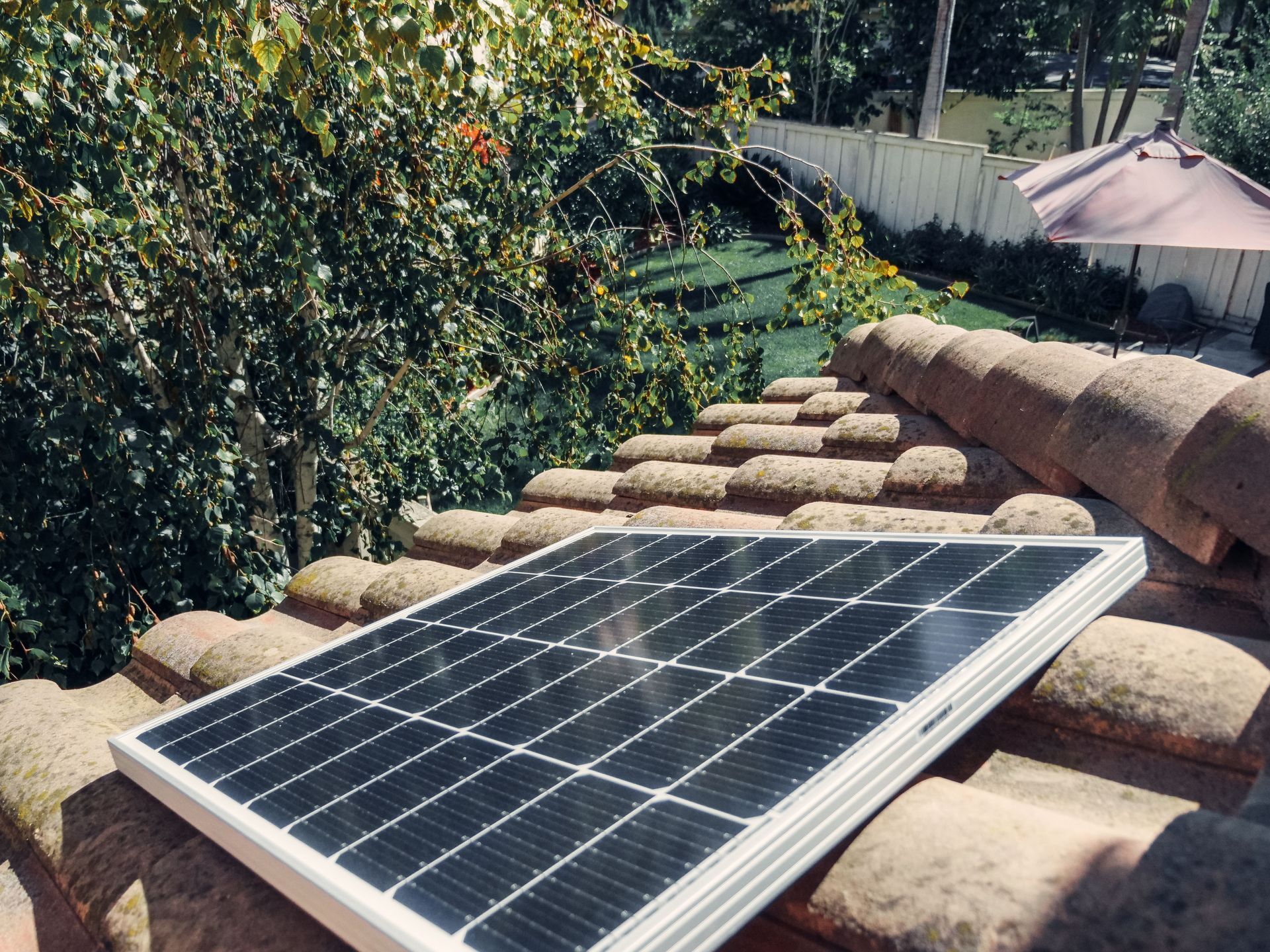
Summary: Canberra solar battery rebates in 2026 stack rather than cancel. An ACT household can combine the federal rooftop solar discount, the federal Cheaper Home Batteries Program, the ACT Sustainable Household Scheme loan, and Virtual Power Plant income. The real traps sit elsewhere: the closed ACT Next Gen rebate, retailer-set feed-in tariffs, the one-rebate-per-property rule, and a battery rebate that shrank on 1 May 2026.
Summary: An all-electric home in Canberra works best when you follow a smart order. Start with solar, then move to hot water, your cooktop, heating, and finally an EV. Each step makes the next one cheaper, and timing your rebates well keeps thousands of dollars in your pocket. The biggest trap is paying a gas supply charge on a connection you barely use.
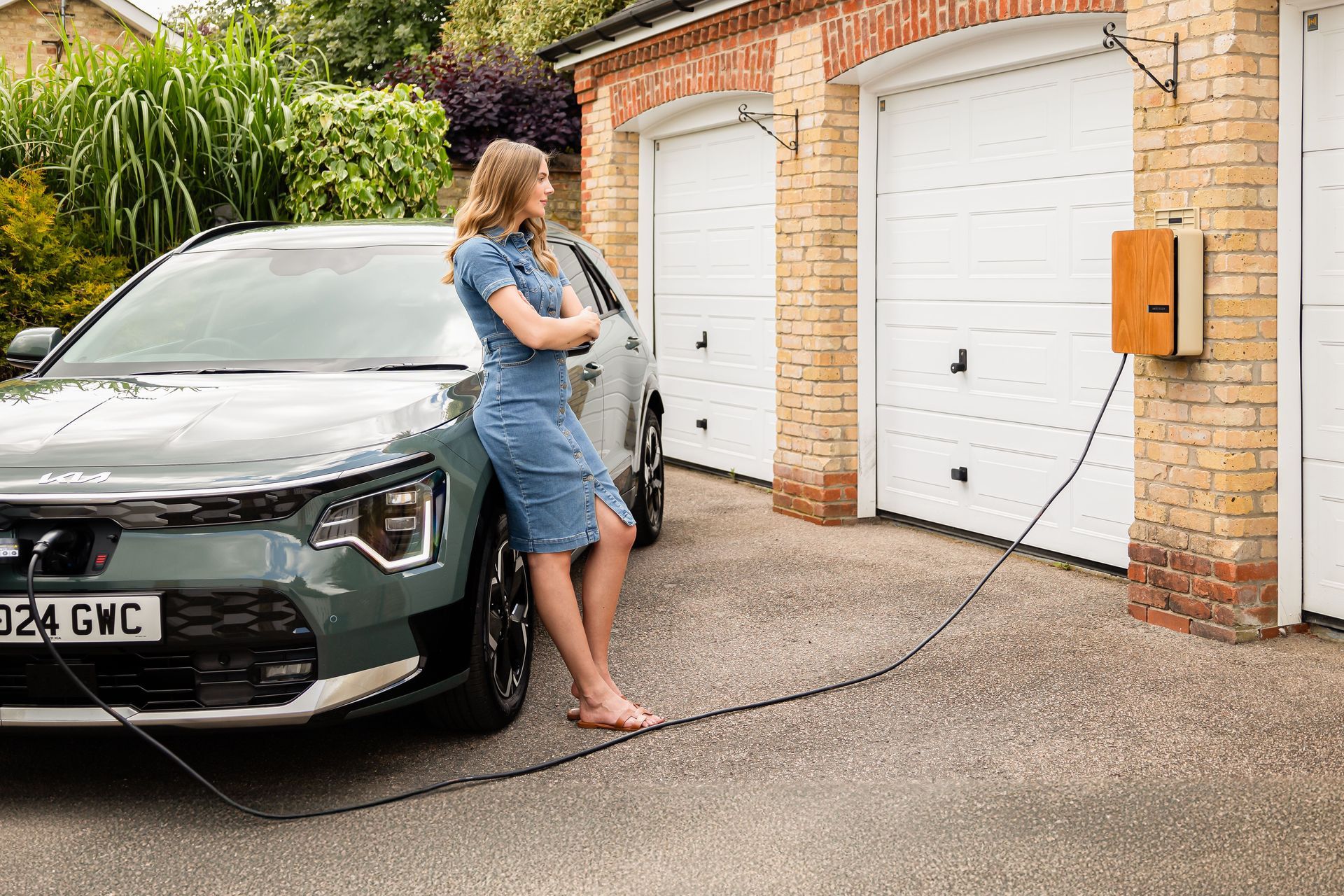
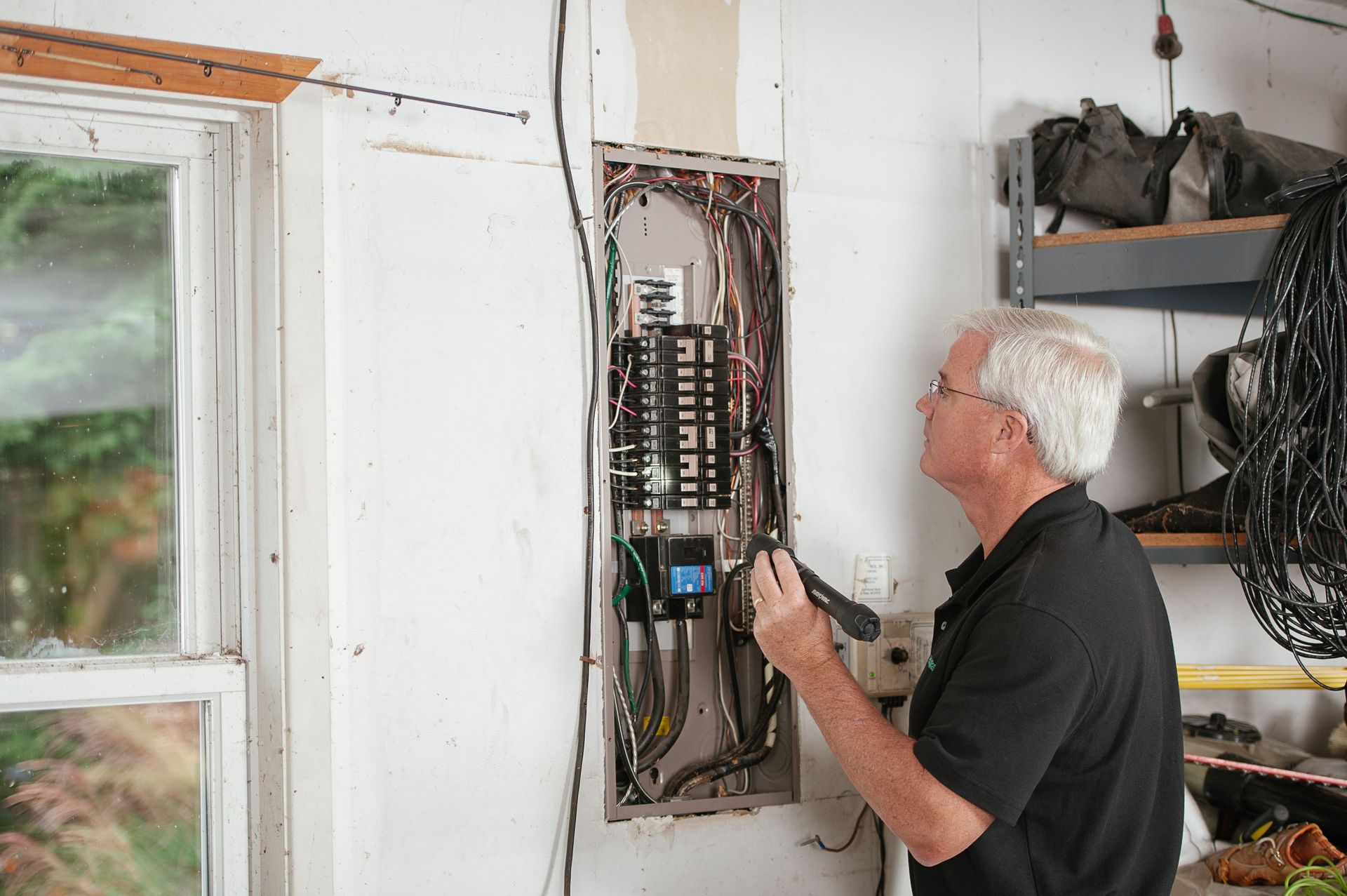
Summary: Home EV charger installation Canberra quotes vary by thousands because the wiring behind the wall is never identical from one house to the next. Single-phase versus three-phase supply, the age of your switchboard, asbestos backing panels in older homes, and the cable run to your garage all move the price. A 7kW charger usually costs $2,000 to $3,000 installed in the ACT, but supply or board upgrades push it higher. Get a site visit from a licensed local electrician before you compare quotes, because the cheapest number on paper often hides the work that matters.
GET IN TOUCH
Want to learn More?
Contact our friendly team at Econ Energy and we will get back to you as soon as possible!